Louis XV – The Secret and Reformist King
Born in 1710 and ascending the throne at only five years old, Louis XV ruled France for nearly sixty years — one of the longest reigns in European history.
First known as “the Beloved”, he gradually became a silent, secretive, and cautious monarch, watching the world change around him with a lucidity few could grasp.
Beneath his apparent indolence lay a rare political intelligence and a profound awareness of the fragility of royal power.
The Seven Years’ War (1756–1763) was the great tragedy of his reign — a global conflict opposing France and its Austrian and Russian allies to Great Britain and Prussia.
This war exposed the deep weaknesses of the kingdom — exhausted finances, a weakened navy, and a divided army — and marked the end of France’s colonial ambitions.
The fall of Canada, Pondicherry, and French naval supremacy opened the path to Britain’s global dominance.
Behind these defeats, France in 1762 was plunged into a multifaceted crisis: political, financial, military, geostrategic, and intellectual.
The ideas of the Enlightenment were spreading, shaking the foundations of absolutism.
Public finances were faltering, the Parlements challenged royal authority, and the people bore the burden of costly wars.
In this climate, Louis XV became more secretive and introspective — ruling through the shadows rather than through open power.
It was in this context that he created the famous Secret du Roi — a clandestine network of diplomacy and espionage operating independently of his ministers.
Led by the Comte de Broglie and the Chevalier d’Éon, this secret service worked to defend the King’s personal interests and to restore French influence in Europe.
Its agents conducted covert missions in London, Saint Petersburg, and beyond, weaving in the shadows a web of alliances and political maneuvers parallel to official diplomacy.
In this weakened France, one woman nevertheless played a crucial political and symbolic role: Madame de Pompadour.
Advisor, patron, and strategist, she was the architect of the diplomatic revolution of 1756, sealing the Franco-Austrian alliance.
She supported philosophers, protected artists, and imposed the idea that politics could also be conceived in salons — not only on the battlefield.
After the war, Louis XV undertook one final effort at reform.
Observing the judicial chaos and the growing power of the Parlements, he entrusted Chancellor René-Nicolas de Maupeou with restoring royal authority.
In 1771, the King struck hard: dissolution of the Parlements, abolition of the sale of judicial offices, and creation of a free, centralized system of justice.
This “Maupeou Coup d’État” was an act of political courage — an authoritarian attempt to modernize the monarchy.
Even Voltaire praised the reform, seeing in it a step toward reason and justice.
Yet the King’s death in 1774 ended this last surge of renewal.
His grandson, Louis XVI, quickly yielded to public pressure and reinstated the old magistrates, undoing his grandfather’s reforms.
France thus lost its last chance for peaceful evolution before the Revolution.
Louis XV bequeathed to posterity a complex image: a distant king, often criticized, but in truth profoundly lucid.
He understood earlier than most that the world of absolutism was nearing its end, and he tried — in secret — to delay its collapse.
Through his intelligence, his taste for secrecy, and his sense of balance, he was both the last king of the Old World and the first to foresee the one that was to come.
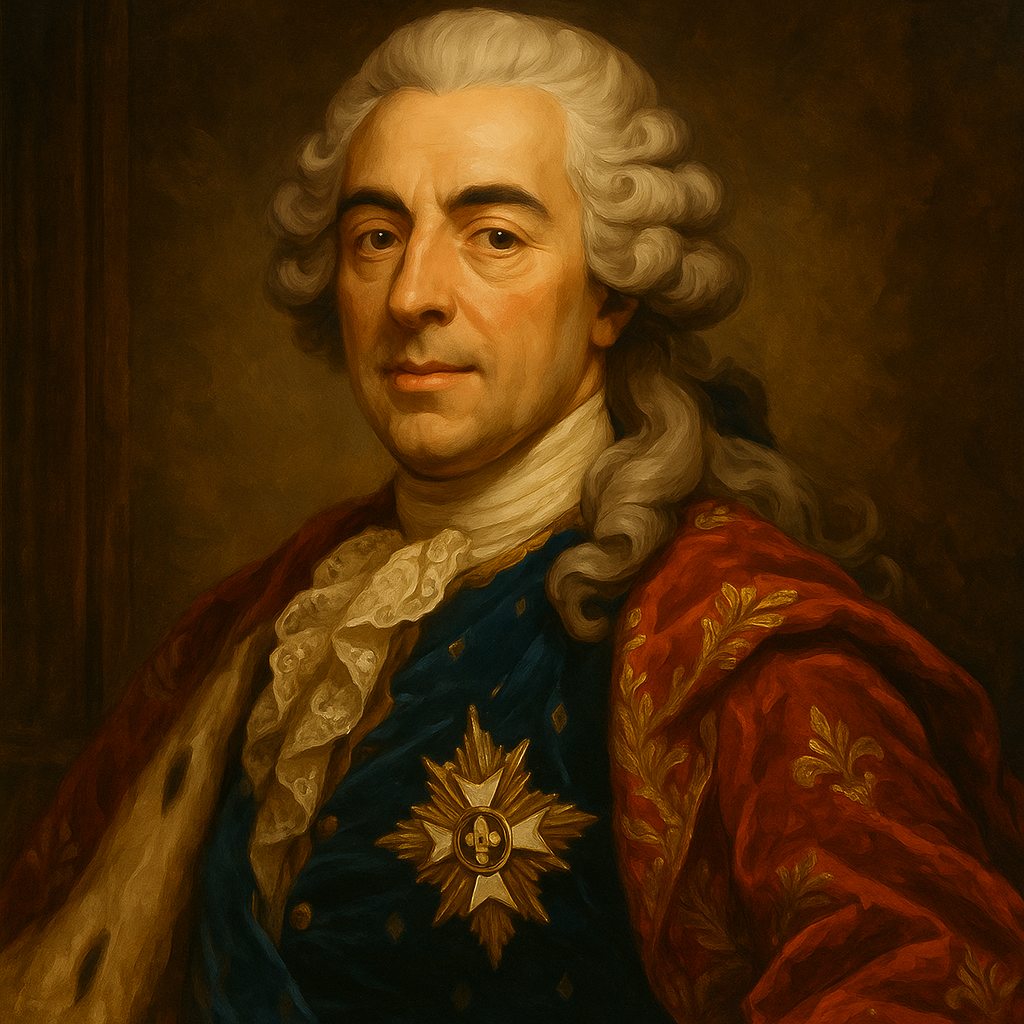
Chevalier d’Éon – The Mirror Blade
Charles-Geneviève-Louis-Auguste-André-Timothée d’Éon de Beaumont, known as the Chevalier d’Éon, is one of the most enigmatic and daring figures of the 18th century.
Born in Tonnerre, France, in 1728, d’Éon was a diplomat, spy, soldier, and master of disguise who defied the gender and social norms of their time.
Trained in law and literature, d’Éon was quickly drawn into the murky world of secret diplomacy under Louis XV. As a member of the king’s covert intelligence network, the *Secret du Roi*, d’Éon traveled across Europe under various identities, gathering intelligence, negotiating secret treaties, and carrying out covert missions in Russia and England.
In 1762, d’Éon was posted to London as part of the French embassy. Brilliant and elusive, d’Éon played a dangerous game of espionage, caught between official diplomatic channels and the king’s clandestine instructions. Their ambiguous gender presentation — and eventual transition to living publicly as a woman — created political controversy, fascination, and fear.
D’Éon’s memoirs, fencing duels, and public writings captivated Europe. To some, d’Éon was a loyal servant of France; to others, a dangerous double agent or revolutionary icon. But one truth endures: in a world of masks and mirrors, the Chevalier d’Éon played both sides with elegance and precision.
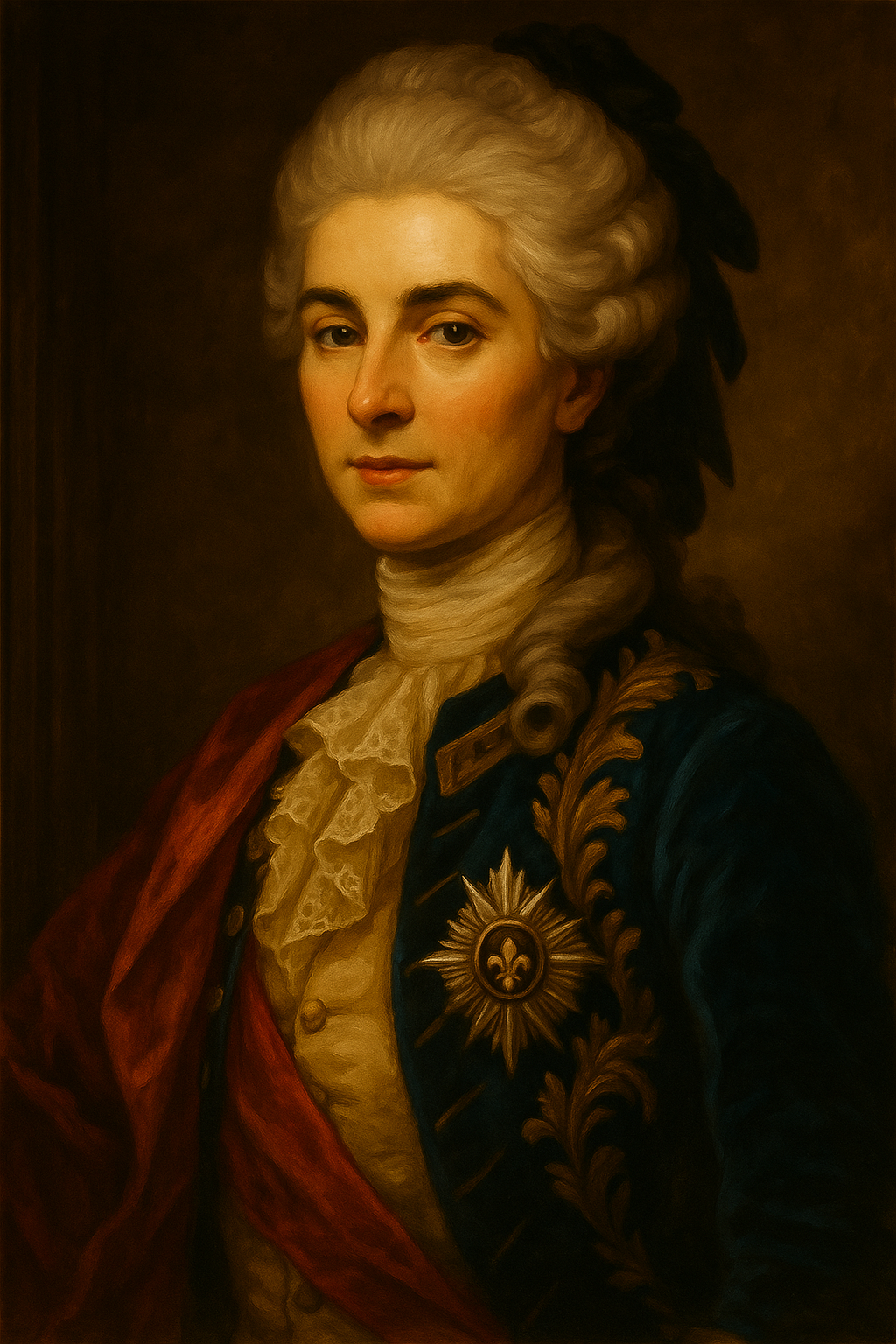
Madame de Pompadour – The Porcelain Sphinx
Jeanne-Antoinette Poisson, better known as Madame de Pompadour, was the official chief mistress of King Louis XV — and one of the most influential women of 18th-century Europe. Born in 1721, she rose from bourgeois origins to become the architect of French cultural, political, and diplomatic life during the Ancien Régime.
Far more than a royal favorite, Pompadour was a patron of the arts, a protector of Enlightenment thinkers like Voltaire, and a shrewd manipulator of court politics.
She played a direct role in the selection of ministers, foreign policy decisions, and the orchestration of the king’s secret diplomacy — including the *Secret du Roi*.
In 1762, Pompadour’s health was waning, but her influence remained formidable. From her apartments at Versailles, she maneuvered between factions, protecting her allies and directing France’s diplomatic efforts in the face of war, colonial loss, and internal dissent.
Critics called her a seductress and a usurper. Admirers saw a woman of taste, intellect, and unparalleled political instinct. To this day, she stands as a paradox — delicate and commanding, elegant and ruthless — the Porcelain Sphinx of the French court.
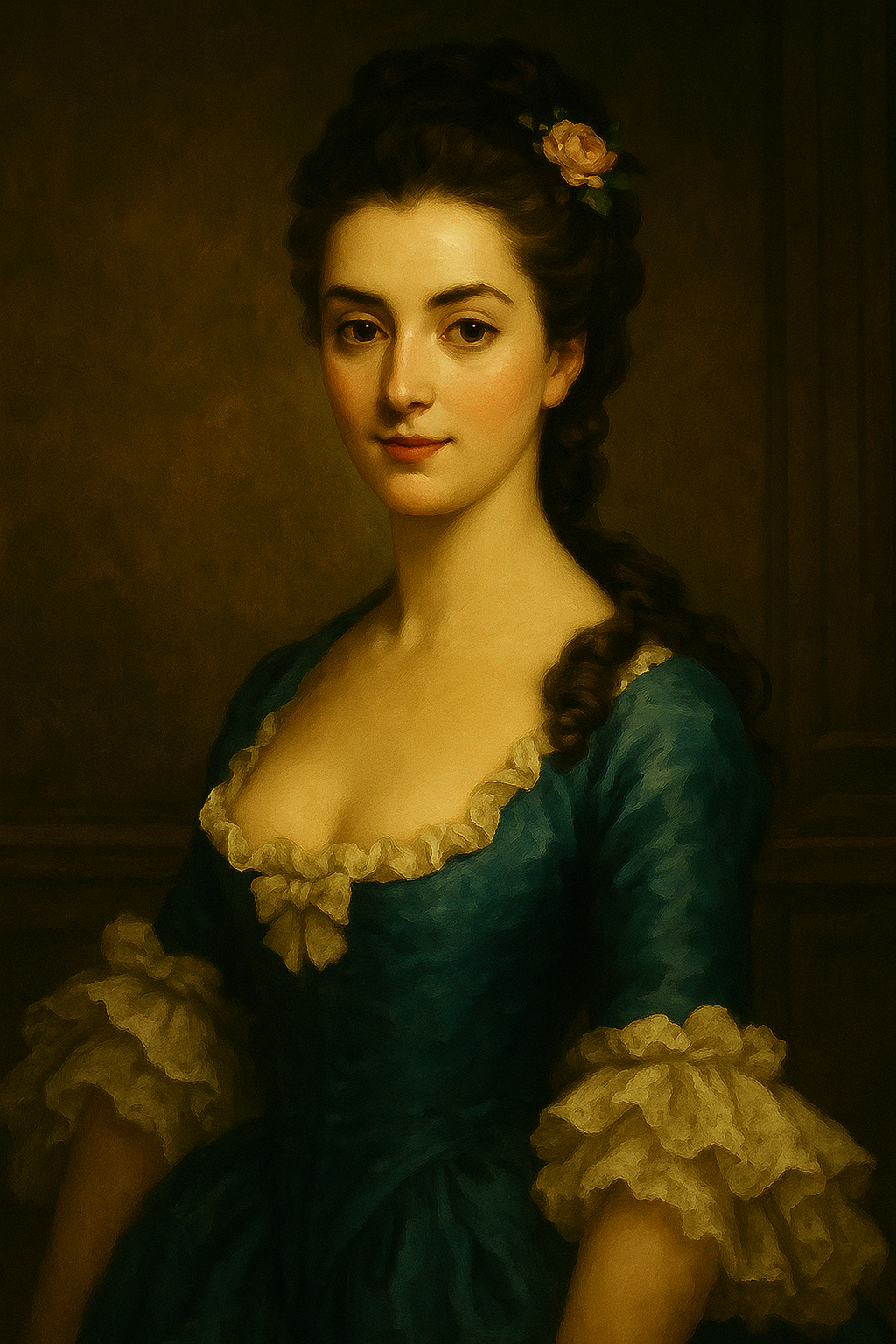
Jacques Kanon – The King’s Privateer
Born in Honfleur in 1713, Jacques Kanon (or Canon) was one of the most daring privateers and naval officers of 18th-century France.
Trained at sea from an early age, he distinguished himself through his navigational skill, courage, and tactical brilliance across the world’s oceans in service to King Louis XV.
Faithful to the tradition of great Norman sailors, he embodied the spirit of a maritime France in decline, yet never defeated.
During the Seven Years’ War (1756–1763), Jacques Kanon was entrusted with perilous missions in the Atlantic and the Gulf of St. Lawrence.
As New France (French Canada) faced famine and the British blockade, Kanon took command of a fleet of frigates carrying food, weapons, and reinforcements bound for Quebec and Louisbourg.
His bold and rapid navigation broke the British encirclement in the spring of 1759, temporarily saving the colony from humanitarian disaster.
Among his escort ships was the frigate Le Maréchal de Senneterre, recently discovered beneath five meters of water off the Gulf of St. Lawrence.
Long buried under sand, this vessel was part of the heroic convoy that braved storms, ice, and British cruisers to resupply New France.
Its rediscovery offers a moving testimony to the bravery of French sailors and to Captain Kanon’s resilience under extreme conditions.
Sailing between Honfleur, Rochefort, Brest, and Quebec, Kanon led numerous escort and raiding expeditions against the Royal Navy.
His name became associated with that of several Norman and Breton privateers who shared his vision — a free navy driven by initiative and audacity.
His relations with the court were sometimes tense, for his independence of spirit displeased officials, but his effectiveness at sea earned him the respect of his crews and the king’s esteem.
After the fall of Quebec and the capitulation of New France in 1760, Jacques Kanon continued to sail the Atlantic, protecting convoys and conducting privateering actions against the British.
His name became legendary among French and Canadian seamen, a symbol of quiet courage and unwavering loyalty to the crown.
Jacques Kanon died in 1783, the very year peace was signed between France, the United States, and Great Britain.
He did not live to see the maritime renewal of France, but his memory remained vivid in Norman ports and in the lore of French Canada.
Today, the discovery of the wreck of the Maréchal de Senneterre revives the forgotten epic of this exceptional sailor — the man who, in the spring of 1759, saved New France from hunger and despair.
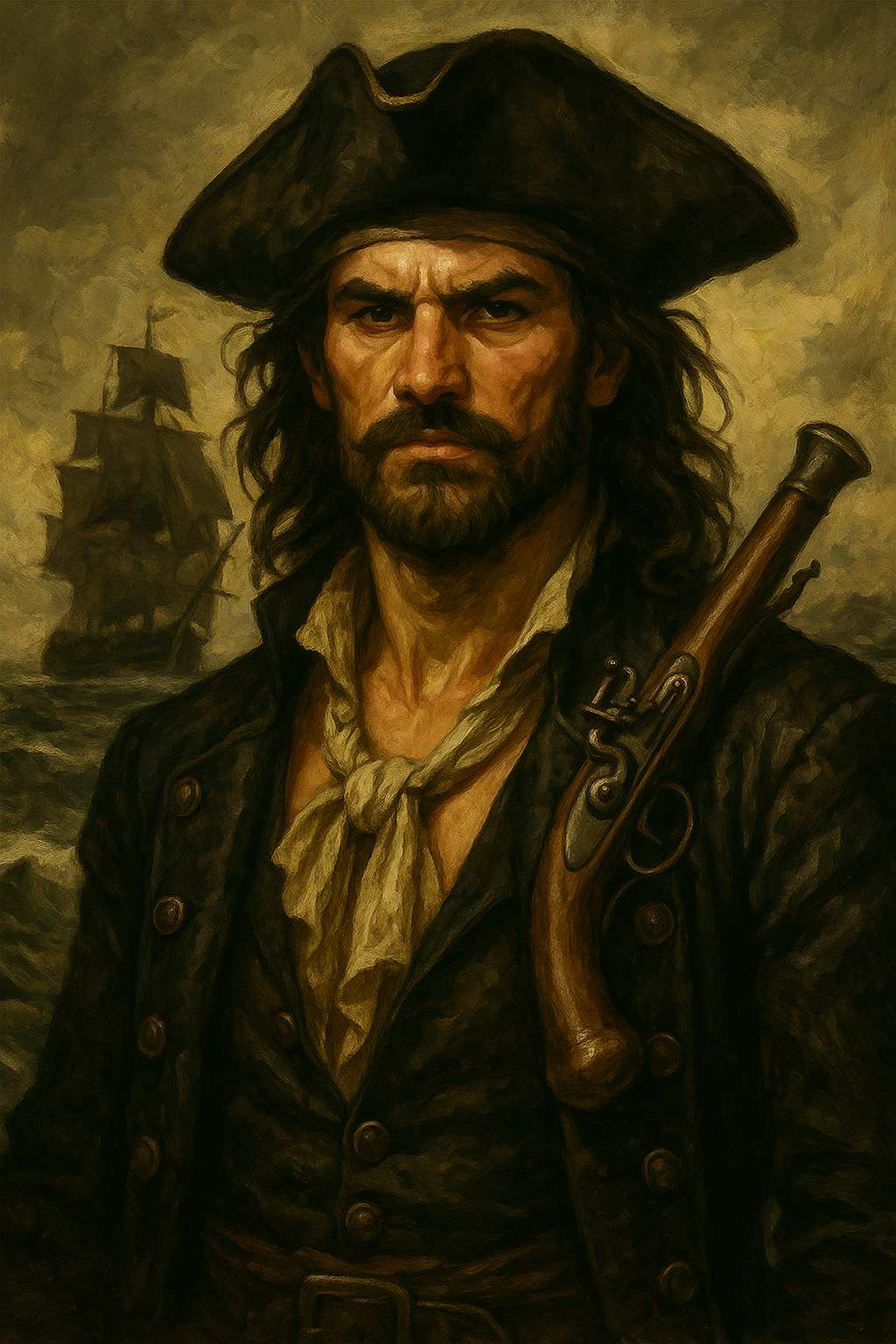
Jean-Baptiste de la Caye – The Creole Falcon
Born in Guadeloupe around 1728, Jean-Baptiste de la Caye was the son of a French merchant and a free woman of color from Trois-Rivières.
Raised between the docks of Pointe-à-Pitre and the plantations of Basse-Terre, he learned navigation at a young age from Creole sailors who roamed the Caribbean.
Mixed-race and fluent in French, he also spoke Creole and some English, making him a bridge between two worlds — imperial France and the tropical seas.
In 1756, when the Seven Years’ War broke out, Jean-Baptiste de la Caye joined the Martinique fleet as an experienced seaman.
After several convoy-escort campaigns, he received in 1758 a letter of marque authorizing him to act as a privateer in service of King Louis XV.
He armed a fast schooner, La Belle Étoile, financed by merchants from Pointe-à-Pitre and Saint-Malo.
De la Caye carried out several daring operations against British ships between the Dominica and the Barbados.
In 1759 he intercepted two English brigs loaded with gunpowder bound for Jamaica and brought them safely to Basse-Terre.
These captures helped sustain the defense of Guadeloupe, then under threat from Admiral Moore’s fleet.
Despite the Royal Navy’s superiority, his hit-and-run tactics delayed the invasion and saved several French civilian convoys.
Loyal to France but deeply attached to his native island, he sought to organize maritime resistance with other privateers, including the renowned Jacques Kanon and Captain Joseph d’Erbigny.
Together they took part in the desperate defense of Guadeloupe in 1759 before the island finally fell to the British in the spring of 1760.
Captured by the British, Jean-Baptiste de la Caye was imprisoned in Barbados but escaped a year later.
He clandestinely reached Martinique and returned to sea under the Spanish flag, continuing his privateering until the peace of 1763.
After the conflict he lived briefly in Saint-Domingue before returning to Guadeloupe, where he became a coffee trader and harbor master at Pointe-à-Pitre.
Legend holds that de la Caye perished in a hurricane in 1776, his ship lost with all hands off Marie-Galante.
In Guadeloupean memory he is remembered as the “Creole Falcon” — a symbol of the courage of mixed-race sailors who, caught between two empires, sailed for freedom, honor, and the survival of their island.
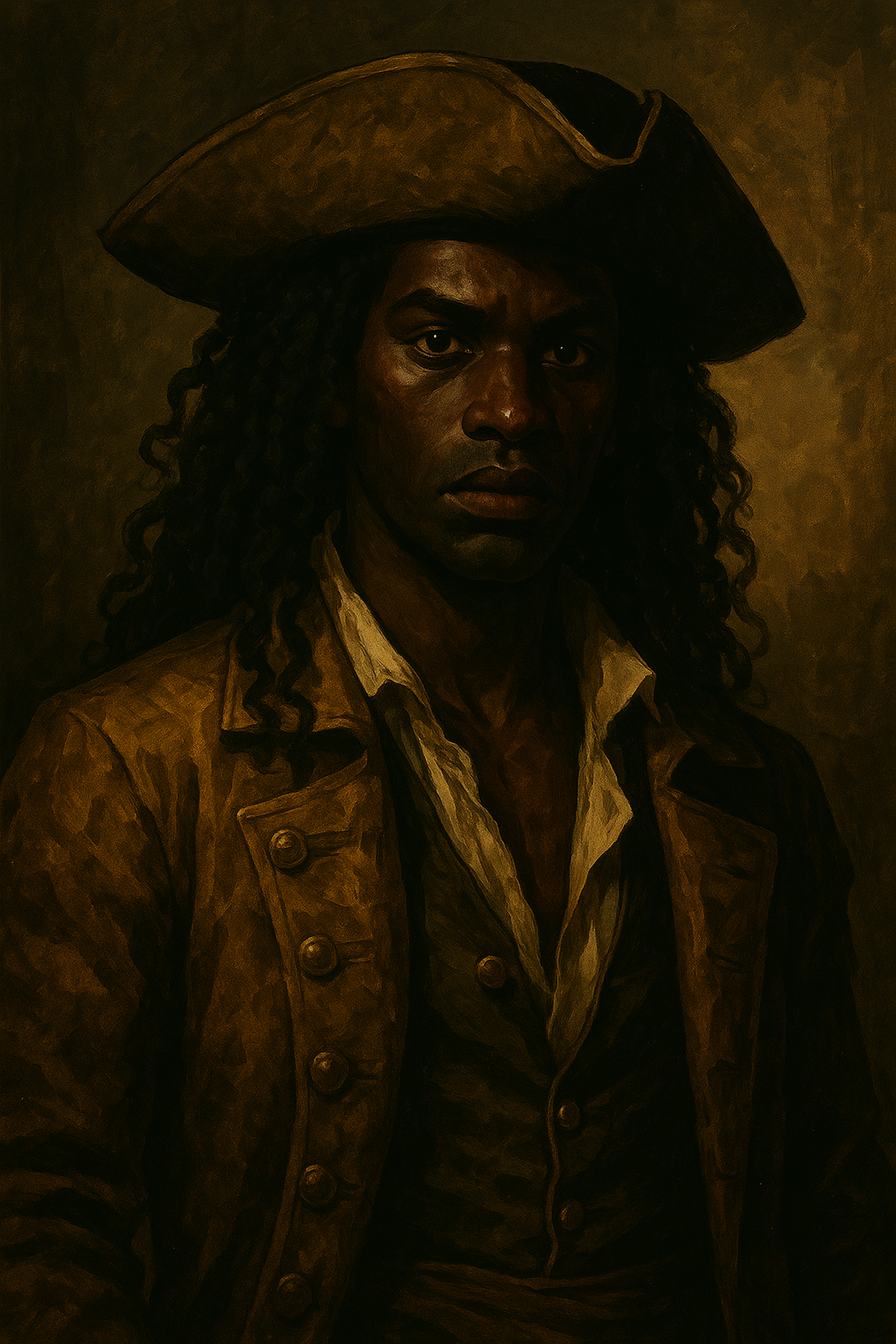
Giacomo Casanova – The Velvet Fox
Born in Venice in 1725, Giacomo Casanova is far more than the libertine of legend. A polymath, linguist, gambler, spy, and diplomat, Casanova spent his life navigating the salons, courts, and prisons of Enlightenment Europe.
Fluent in multiple languages and highly educated, Casanova charmed his way into royal chambers, secret societies, and forbidden archives. In 1762, he had recently escaped from the notorious Venetian prison known as *Piombi*, using cunning and rope made from bedsheets.
His journey across Europe led him to encounters with monarchs, alchemists, cardinals — and the dark undercurrents of secret diplomacy.
Casanova’s charisma made him a favorite in the courts of France and Russia, where he offered his services as a negotiator, astrologer, or confidant. Behind his sensual reputation lay a sharp political mind and a talent for deception.
In the shadows of the Seven Years’ War, Casanova became entangled in espionage — acting at times for the French, the Spanish, or his own mysterious interests.
Today remembered for his memoirs, *Histoire de ma vie*, Casanova remains a symbol of seductive intelligence — a fox in velvet gloves, as at home in bedchambers as he was in war councils and Masonic rituals.

Comte de Saint‑Germain, the Eternal Alchemist
An elusive figure of the 18th century, the Count of Saint‑Germain moved through the courts of Europe like a living enigma. A polyglot, musician, chemist, diplomat, and alleged alchemist, he inspired both fascination and fear. Some claimed he never aged, others that he possessed ancient knowledge, created miraculous dyes, or forged artificial gems.
Under Louis XV, Saint‑Germain appeared frequently at Versailles, where he gravitated toward the clandestine networks of secret diplomacy. Multiple accounts link him to the Secret du Roi, acting as a quiet intermediary in delicate negotiations with Austria and several German states. During the Seven Years’ War, he operated behind the scenes — observer, envoy, or perhaps a subtle manipulator.
A master of crafted mystery, he obscured his origins on purpose — rumored variously to be a Transylvanian prince, an immortal wanderer, or a Rosicrucian adept. Yet one truth remains: wherever he walked, secrets followed. In the world of Ashes of Secrets, he personifies the whisper behind the curtain — the man who knows too much and reveals nothing.
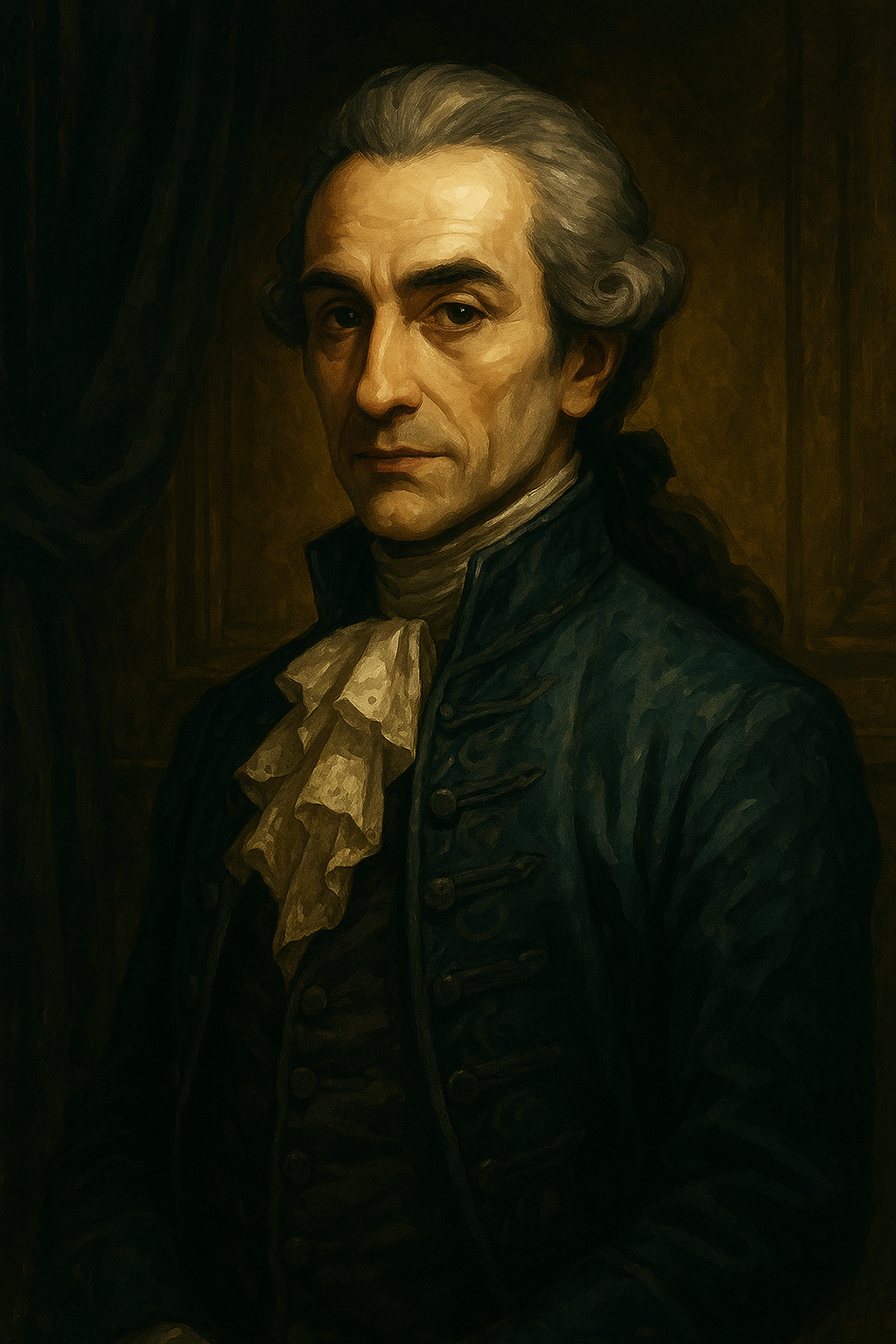
Benjamin Franklin – The Diplomat of Lightning
Born in Boston in 1706, Benjamin Franklin was a printer, inventor, scientist, philosopher, and statesman — one of the most brilliant minds of the Enlightenment.
A self-taught polymath, he rose from modest origins to become a leading figure of both the American Revolution and the Republic of Letters.
His curiosity, wit, and diplomatic genius made him a bridge between the Old and New Worlds.
A pioneer in science, Franklin is best known for his experiments on electricity, including the famous kite experiment that proved the electrical nature of lightning.
He invented the lightning rod, the Franklin stove, and bifocal lenses, always seeing technology as a way to improve daily life.
But beyond invention, he saw knowledge as a moral pursuit — a means to elevate humanity.
In the 1750s, Franklin became an active correspondent within the European intellectual network known as the République des Lettres.
He exchanged ideas with Voltaire, Diderot, and David Hume, discussing natural philosophy, liberty, and human progress.
His letters, written in both English and French, reveal a mind that sought to unite scientific reason with civic virtue.
Among his correspondents were also remarkable women and thinkers such as Madame Geoffrin, Madame du Deffand, and Lady Catherine MacLeod Douglas Bellefeuille,
whose reflections on freedom and morality deeply impressed him.
These exchanges forged an invisible alliance between American pragmatism and European philosophy.
Sent to London in 1757 as colonial representative, Franklin witnessed the growing tensions between Britain and its American colonies.
His diplomatic skill and correspondence with both American patriots and European intellectuals made him a crucial mediator in the transatlantic debates on liberty and self-government.
He wrote tirelessly, warning that domination without consent would destroy the bonds of empire.
During the American Revolution, Franklin became the ambassador of the United States in France (1776–1785).
Residing in Passy, near Paris, he charmed the French elite and became a symbol of republican virtue.
He exchanged letters with Louis XVI’s ministers, Madame Helvétius, and scientific academies, negotiating loans, treaties, and alliances that secured American independence.
His modest attire — the simple fur hat of a philosopher — became an emblem of liberty in the salons of Paris.
Throughout his life, Franklin maintained an astonishing network of correspondence that united scientists, philosophers, and revolutionaries from both sides of the Atlantic.
His letters to Voltaire, Thomas Jefferson, John Adams, and David Hume reveal his unique role as a conduit between Enlightenment thought and political action.
His exchanges with figures like Lady Catherine MacLeod Douglas Bellefeuille and other European intellectuals carried discussions of liberty, education, and the moral duty of science to uplift humanity.
Franklin returned to Philadelphia in 1785, where he helped draft the U.S. Constitution and continued his writings until his death in 1790.
He left behind thousands of letters, scientific treatises, and moral essays that defined an era.
To the world, he remains not only a founder of a nation but a founder of understanding — a man whose pen and lightning rod alike sought to illuminate the path of freedom.
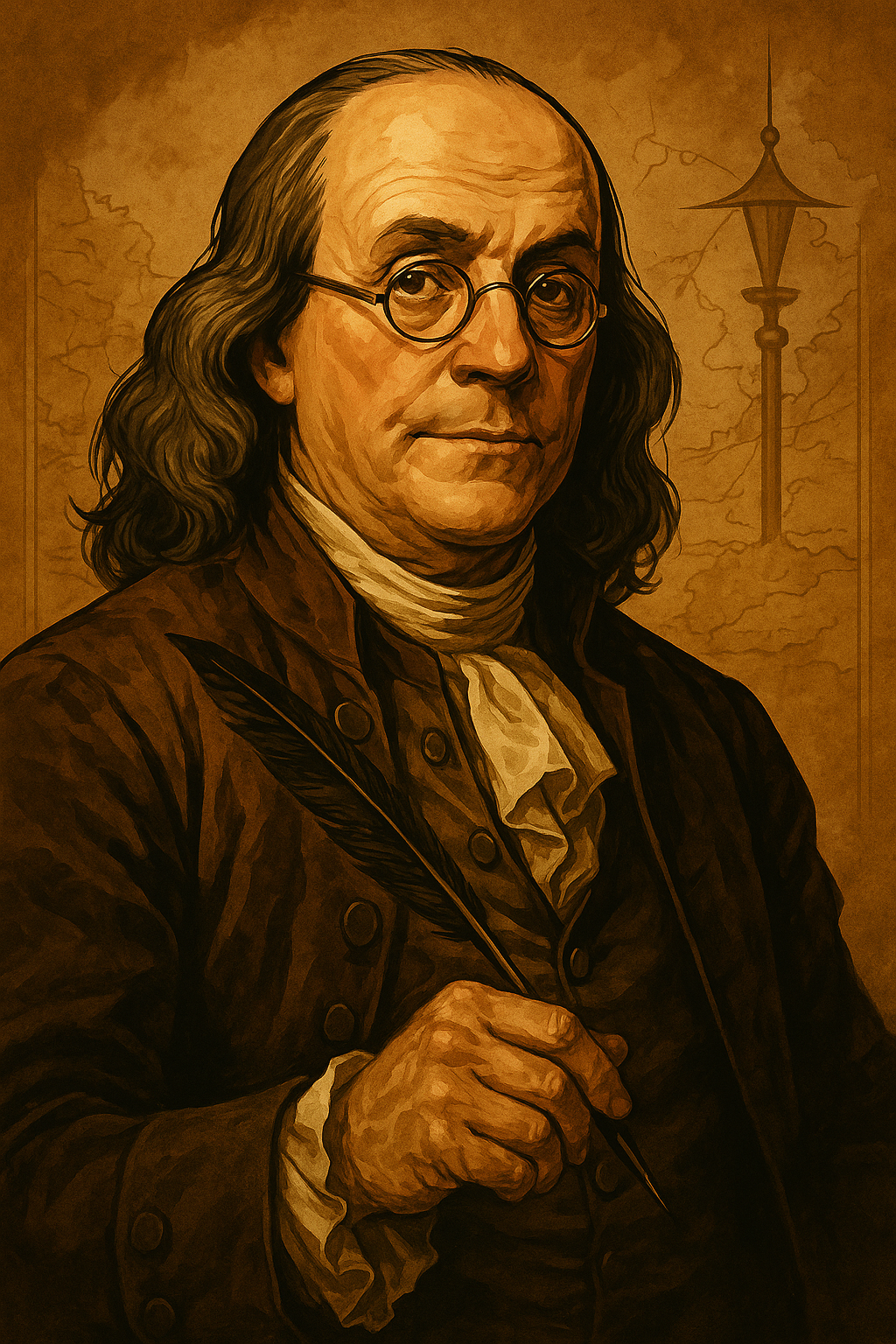
Sir Alexander Peter Mackenzie Douglas, the Owl of the Isles
A Scottish-born British officer and spymaster, Douglas commands intelligence operations for the Crown. Fluent in French and Latin, he navigates the delicate web of traitors, informants and exiled philosophers across Europe and the Americas.
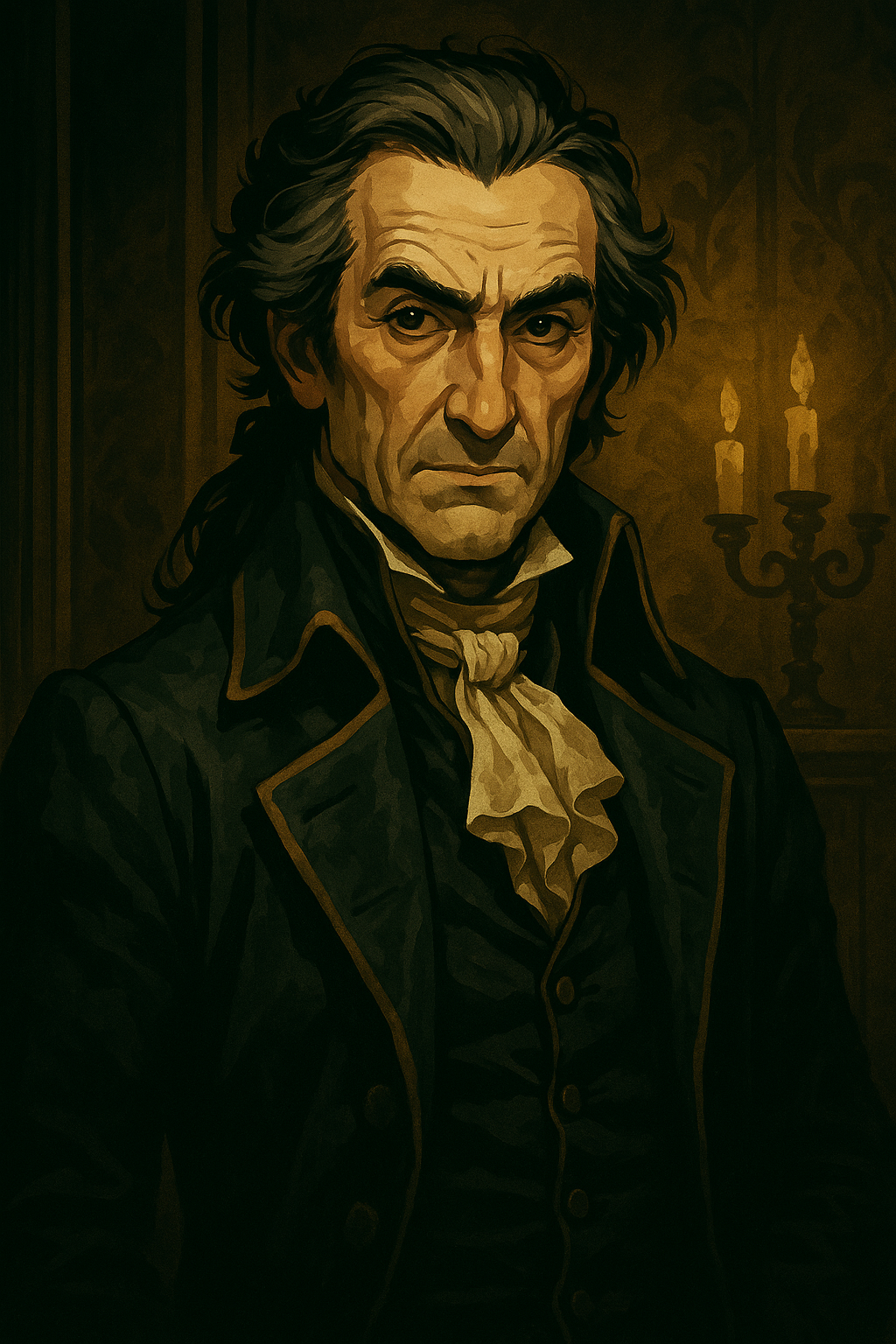
Duke of Broglie, the Shadow Marshal
A brilliant strategist and member of the secret diplomatic network of Louis XV. Often at odds with Pitt's expansionism, Broglie works to safeguard French sovereignty from behind the curtain.
The shadow and Marshal of France
A scion of a powerful military dynasty, Victor-François de Broglie (1718–1804) emerged as one of the sharpest military minds of the Seven Years’ War. As Marshal of France and a discreet royal advisor, he operated behind the scenes — navigating the veiled world of secret diplomacy. Unlike Choiseul, he relied on coded networks, tactical memoranda, and field intelligence. Some link him to the covert missions of the Chevalier d’Éon and encrypted diplomatic exchanges. A thinker as much as a warrior, he foreshadowed the structural reforms that would later shape the Napoleonic army. Though often unseen, the Duke of Broglie was a silent architect of an empire in transition.
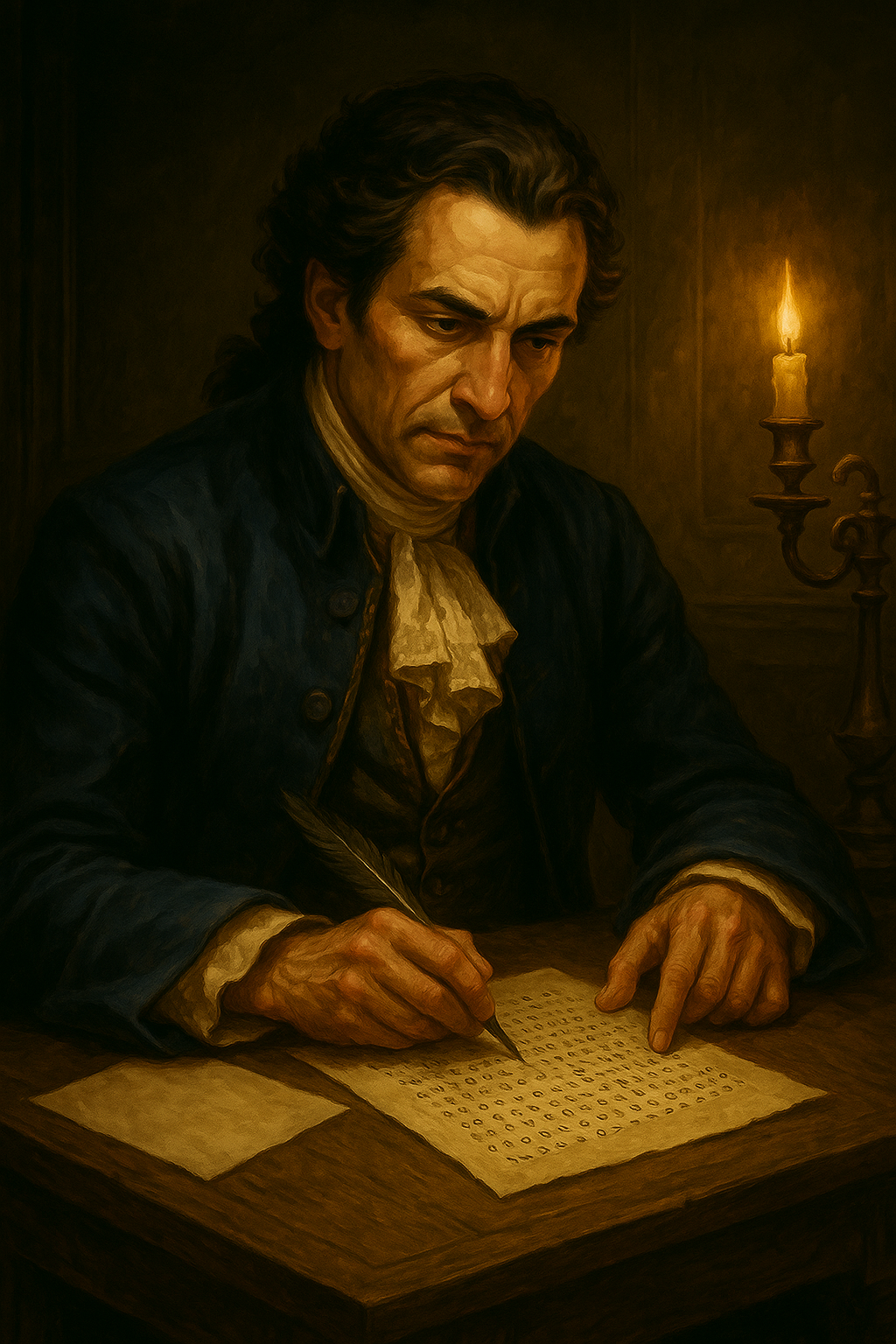
Duke of Choiseul, the Silk Hammer
As Chief Minister, Choiseul orchestrates France’s recovery after military setbacks. His decisions impact colonial policy, alliances, and the fate of French diplomacy at the twilight of the Ancien Régime. Choiseul owes his position to Madame de Pompadour.
The legacy of Duke Choiseul became fully visible when, foreseeing the eventual weakening of British power, he discreetly steered French diplomacy toward North America. Convinced that true revenge against London would not come from an immediate war, but from long‑term geopolitical strategy, he anticipated the rising tensions between the British colonies and the Crown. His naval reforms, his strengthening of the Franco‑Spanish alliance, and his policy of active observation allowed France to be fully prepared at the decisive moment. Thus, when the American Revolution erupted, it was Choiseul’s strategic groundwork that enabled France to support the insurgents effectively and play a crucial role in the independence of the United States. In contrast with the imperial ambitions of William Pitt the Elder, Choiseul crafted a patient revenge: a diplomatic and naval victory, won without a direct battle, yet decisive for the balance of the world.
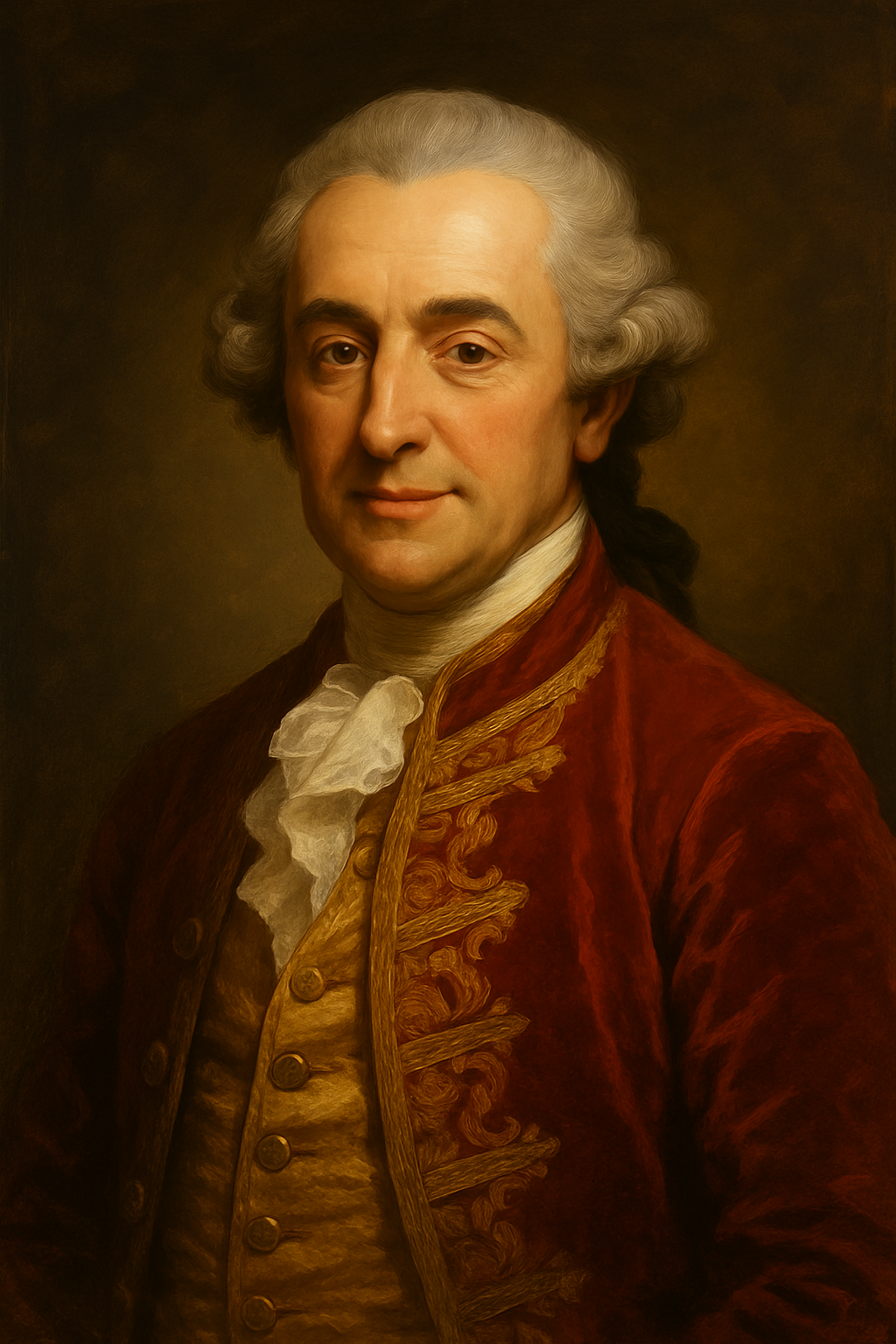
Isadora Lonsdale – The Black Widow
“They call her the Black Widow in the salons where silence is a virtue.”
Born in the underbelly of London, Isadora Lonsdale carved her path through shadows, not titles. Orphaned young and raised among pickpockets and informants, she learned early that secrets are more powerful than swords — and far more dangerous.
Far from noble salons or foreign academies, her education came from the backrooms of taverns, the alleys of Whitechapel, and the whispers of spies. She was recruited into the British intelligence network not through pedigree, but through brilliance and ruthlessness. Today, she works not for king or crown, but for William Pitt himself — the architect of empire.
She moves through high society like a ghost in silk, fluent in deception and deadly with a blade. Disguised as a duchess, trained like an assassin, she is feared by allies and hunted by enemies. Few know her true origin — fewer still survive long enough to understand her purpose.
Some say she belongs to a secret Masonic lodge known only to a chosen few: The Dark Flame. Whether it’s myth or misdirection, only one thing is certain — where she walks, truths unravel and thrones tremble.
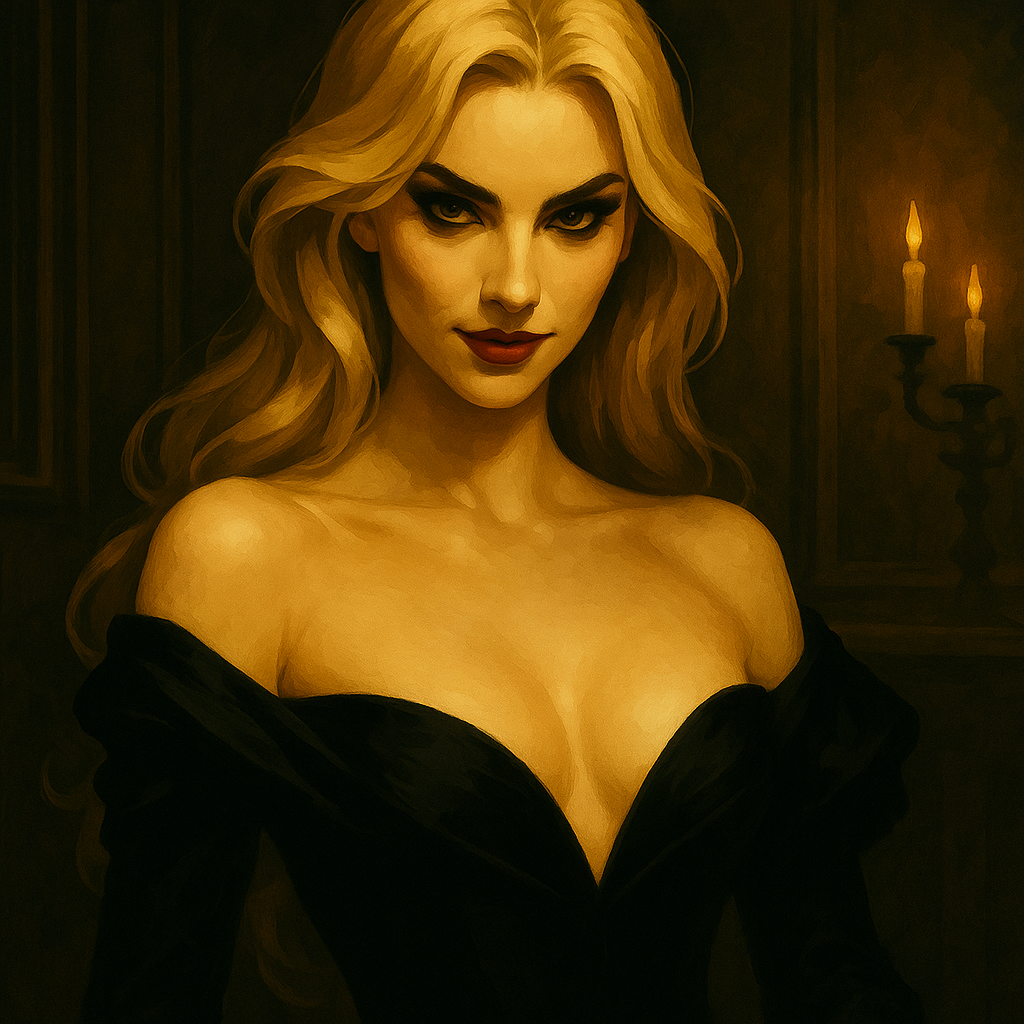
Lady Catherine MacLeod Douglas Bellefeuille – The Hidden Flame
Born in 1732, a Jacobite of the Highlands by blood and a philosopher at heart, Lady Catherine MacLeod Douglas Bellefeuille was raised in France at the height of the Enlightenment.
Poetess, noblewoman, and guardian of Celtic traditions, she embodies a world in transition — between the mystical fervor of Scottish clans and the refined reason of Parisian salons.
Raised among the Gaelic verses of her MacLeod clan, she is the symbol of Franco-Scottish unity against Hanoverian Britain.
Her dual heritage allowed her to move gracefully between the political and intellectual spheres of her century.
Settled in Paris during the 1750s, Lady Catherine frequented the most illustrious salons of the Enlightenment.
At Madame Geoffrin’s gatherings, she exchanged ideas with Voltaire, Diderot, and d’Alembert about the Encyclopédie and the birth of modern thought.
In the more aristocratic salon of Madame du Deffand, she met Montesquieu and the Englishman Horace Walpole, while at the intimate gatherings of Mademoiselle de Lespinasse, she conversed with the young reformist minds Condorcet and Turgot.
These refined circles, animated by brilliant women, made her one of the few foreign aristocrats welcomed among the French philosophers.
She also maintained a long-standing correspondence with Benjamin Franklin, whom she regarded as a brother in spirit — a living bridge between the European and American Enlightenments.
Her learning and graceful writing attracted the attention of the Scottish philosopher David Hume, with whom she exchanged reflections on the nature of reason and tolerance.
These letters, sometimes written in code, reveal a transatlantic intellectual dialogue of remarkable modernity.
Alongside her literary pursuits, Lady Catherine frequented several discreet Freemasonic circles in Paris, where diplomats, scholars, and free thinkers met under the veil of secrecy.
She is said to have been affiliated with the enigmatic Lodge of the Midnight Phoenix, reputed to blend Scottish symbolism, hermetic philosophy, and enlightened humanism.
These secret meetings offered her a rare space of freedom for a woman of her rank — a place where she could debate equality, justice, and fraternity without constraint.
Though she later withdrew to the Highlands, Lady Catherine continued to correspond with European thinkers.
In the solitude of her mist-covered lands, she remained a silent force — guiding through ink rather than presence.
Her letters, filled with poetry and reason, circulated among the scholars of her age, reminding all that light shines brightest when born from the shadows.
She is the cousin of Sir Alexander Peter Mackenzie Douglas.
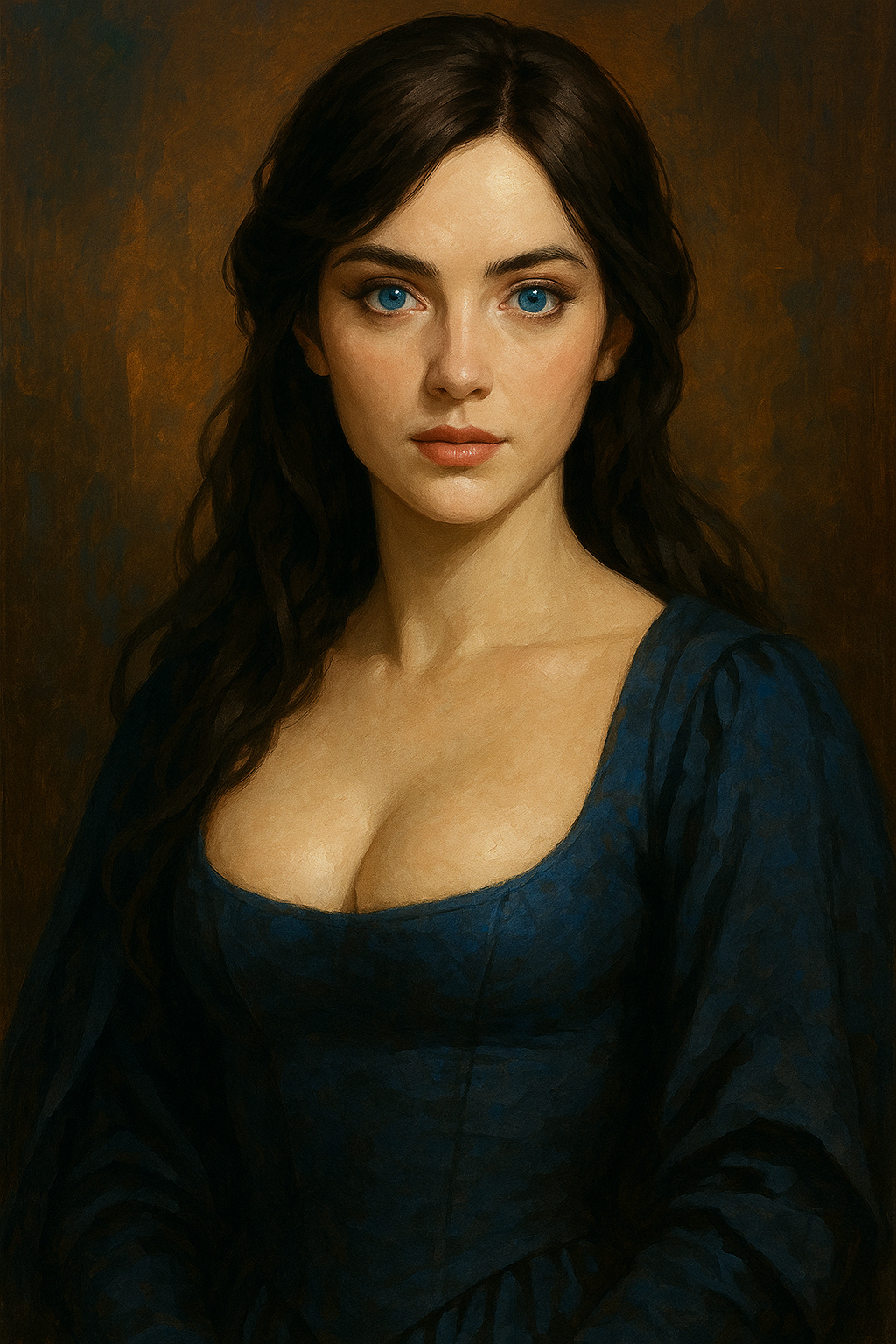
John Stuart, 3rd Earl of Bute – The King’s Favorite
Lord Bute is the Scottish nobleman behind the throne. A philosopher-king in ambition, he acts as mentor, protector, and puppet-master to George III in his early reign. Bute is deeply distrusted by Parliament and public opinion — in part due to his Scottish origins, and in part for his quiet power over the young monarch.
A man of letters and gardens, Bute is more scholar than statesman, but his influence is immense. He seeks peace with France, the end of Pitt’s expansionism, and a new vision for Britain — one the elite does not share.
A discreet visionary, Bute represents an alternative path to that of Pitt the Elder. The former war minister dreams of a global empire forged by fire and steel; Bute champions peace, reason, and a restoration of royal authority. He seeks to end the Seven Years’ War, reduce the kingdom’s staggering debt, and recentralize power around the young George III. But his pacifist and monarchist vision clashes with the imperial ambitions of Parliament and scandalizes the Whig elite. Of Scottish origin, a figure of the shadows and the king’s favorite, Bute is seen as a silent usurper — a man of letters more dangerous for his ideas than any weapon. The peace he brokers with France will mark his isolation. In salons and corridors of power alike, one name spreads in fear and contempt: the philosopher of the king.
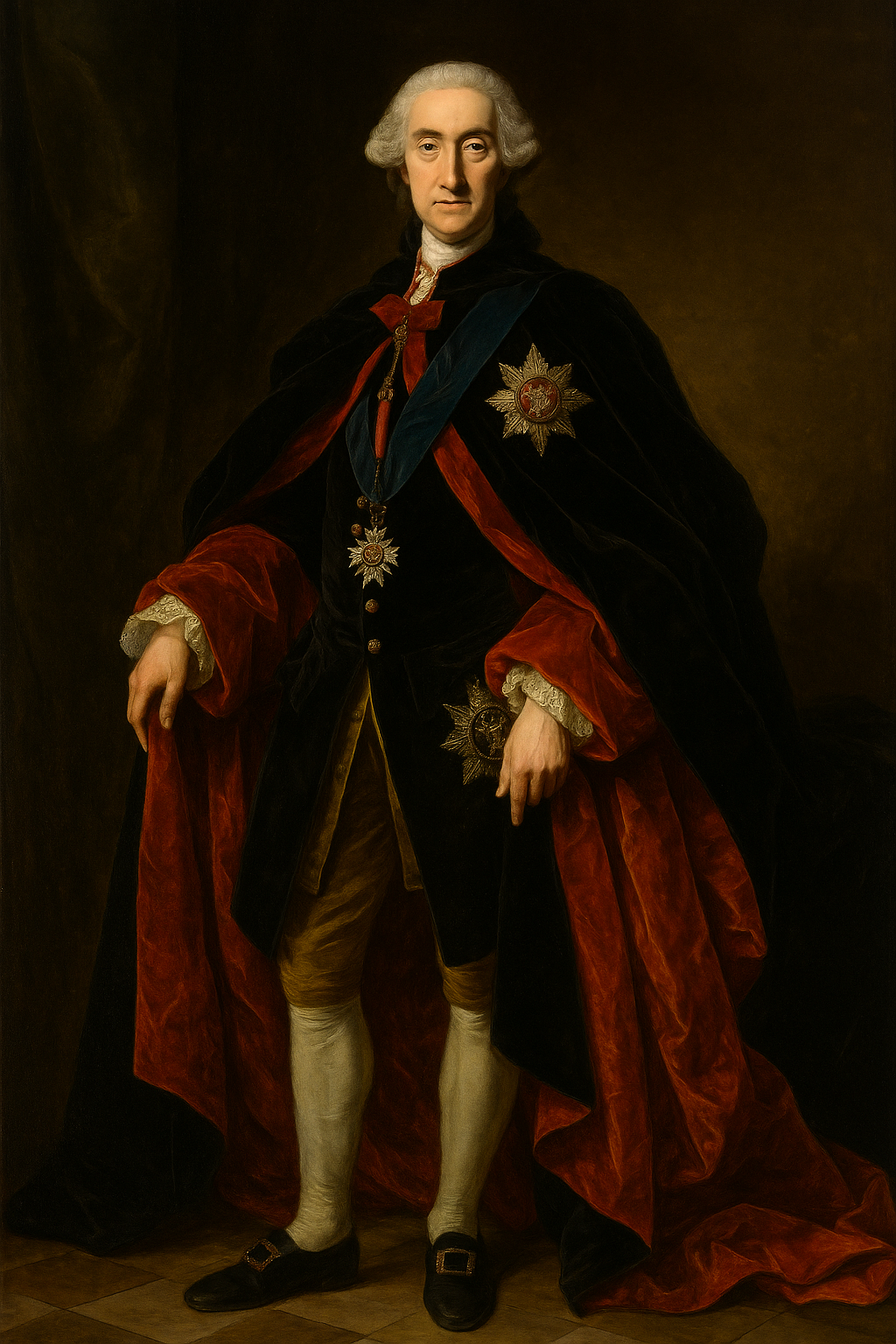
George III – The Young Sovereign
In 1762, George III is still new to the throne, his reign shadowed by war, politics, and expectations. A devout and principled man, he dreams of restoring royal authority and moral virtue in Britain. But he is also naive, heavily influenced by his mother and by Lord Bute, his first trusted minister.
He inherits an empire built on conquest and trade, and a war machine that stretches across continents. Yet his distrust of traditional Whig elites and his favoring of Bute will soon make him one of the most controversial monarchs in British history.
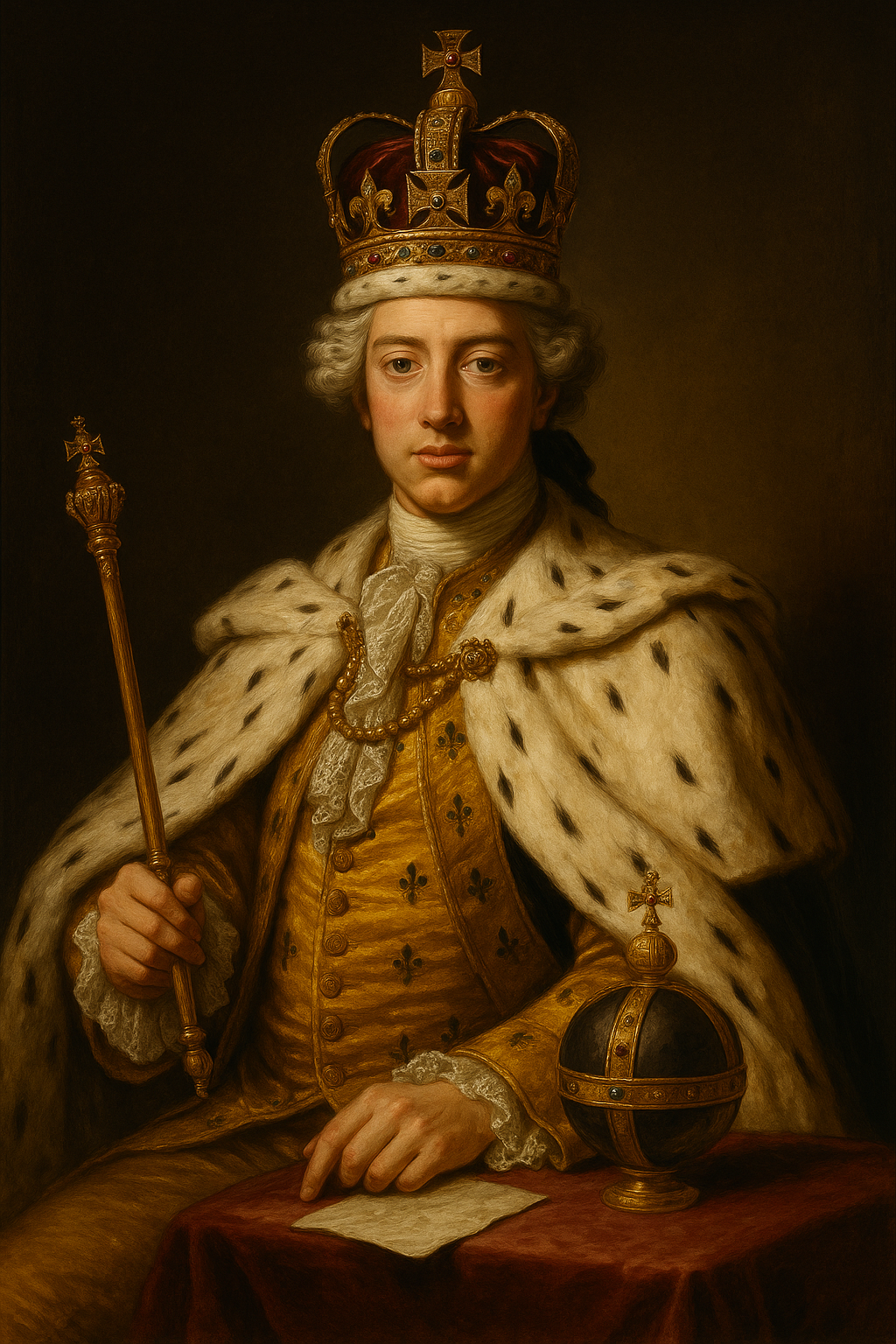
James Wilson – The Patriot Jurist
James Wilson, born in Scotland in 1742, is one of the lesser-known yet most intellectually formidable Founding Fathers of America.
Having studied at the University of St. Andrews, he immigrated to the Thirteen Colonies in the early 1760s, bringing with him the sharp logic of the Enlightenment and a burning curiosity about liberty and law.
By 1762, Wilson is in Pennsylvania, studying law under John Dickinson and exchanging ideas in whispered meetings with proto-republicans, radical printers, and Freemason circles.
He is young, ambitious, and unusually fluent in Latin, Greek, and French — a rare mind navigating between British imperial loyalty and colonial discontent.
Though still publicly cautious, he privately corresponds with other legal minds questioning the limits of royal authority, drawing on Montesquieu, Locke, and even the fiery pamphlets arriving from France.
Among the whispers of rebellion, Wilson’s voice stands out not for its volume, but for its clarity.
Later, he will sign both the Declaration of Independence and the Constitution of the United States. But in 1762, he is still becoming the man who will declare that “sovereignty resides in the people.”
His meetings with figures like Benjamin Franklin — and perhaps secret envoys from abroad — may have sown seeds destined to shake the world.
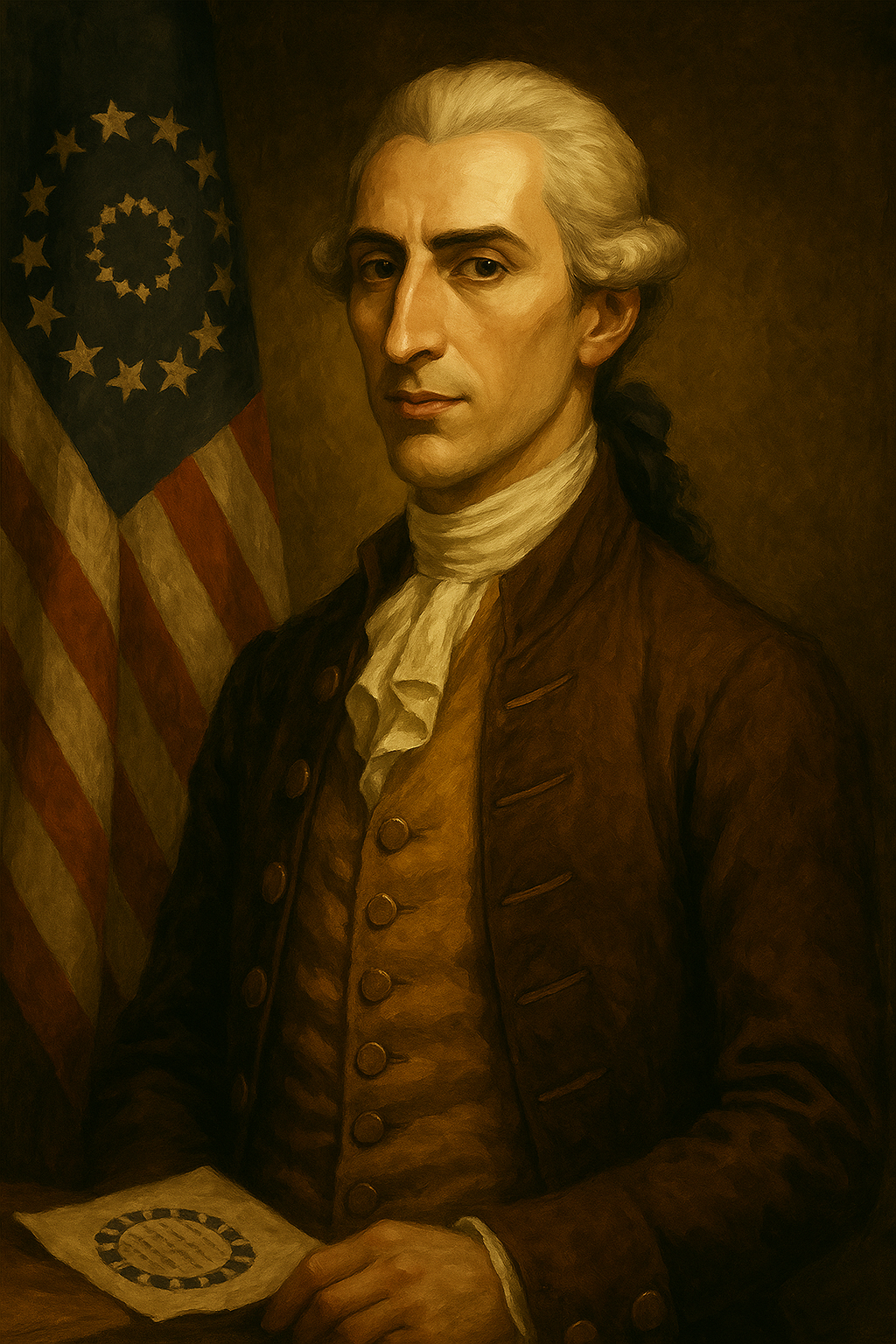
William Pitt the Elder – The Empire's Architect
Born in 1708, William Pitt the Elder — also known as the 1st Earl of Chatham — was Britain’s most formidable wartime strategist during the Seven Years’ War. As Secretary of State, he envisioned not just victory, but dominance: a British Empire unrivaled by France or any other European power.
Pitt understood that the true battlefield of the 18th century was not just Europe — but the oceans, colonies, and global trade routes. Under his leadership, Britain launched a full-scale colonial offensive: seizing Canada, blockading the Antilles, besieging French ports in India, and dominating sea lanes from the Atlantic to the Pacific.
More than a minister, Pitt was a warlord in a waistcoat. His vision was clear: France must be brought to its knees — not through diplomacy, but by stripping it of its overseas possessions, its commerce, and its ability to sustain global warfare.
In 1762, at the height of the war, Pitt stood as the architect of a new kind of empire: maritime, mercantile, and merciless. He wielded the navy like a blade, cutting off France’s lifelines, while supporting Protestant allies on the continent to keep French armies occupied.
Though eventually forced to resign over disagreements with the King and Parliament, Pitt’s legacy was sealed: under his command, Britain became a global superpower, and France entered a long twilight of imperial decline. To his enemies, he was ruthless. To his supporters, a genius. To history, he remains the man who waged war on the world to win an empire.
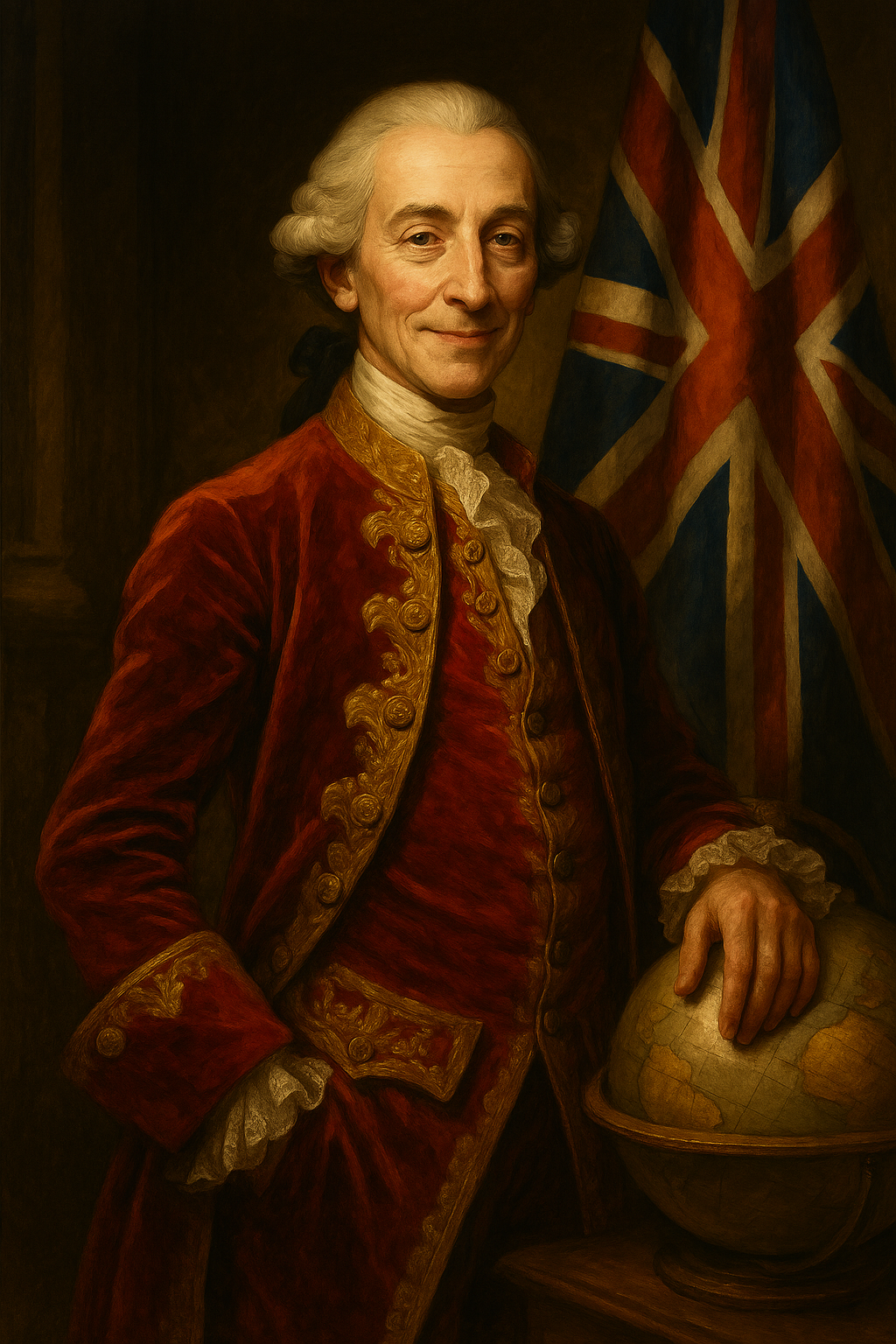
Carlo Goldoni – The Reformer of the Stage
Born in Venice in 1707, Carlo Goldoni was one of the greatest Italian playwrights of the 18th century. Trained in law, he quickly abandoned his legal career to pursue his true passion: the theater.
Goldoni broke with the rigid conventions of commedia dell’arte, introducing a more realistic and human approach to drama — with written dialogue, social critique, and characters drawn from everyday life rather than masked archetypes.
His most famous plays include The Mistress of the Inn and The Boors, where strong female characters and sharp social insights shine. His writing blends satire, tenderness, and keen observation of human behavior.
In 1762, Goldoni was invited to Paris by Louis XV. There, he began writing in French, became playwright for the royal daughters, and settled at the court, continuing his work far from his native Venice.
His legacy is immense: Goldoni is to Italy what Molière is to France — a master of theatrical truth, a painter of human souls on stage.
